
How Much Does a Handyman Cost
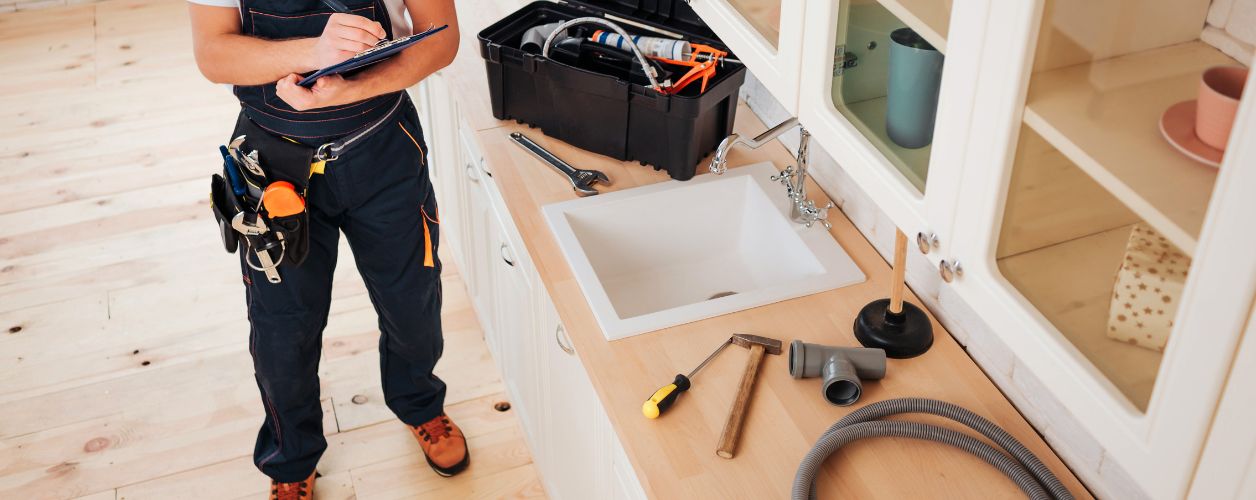
The average cost for a handyman's services ranges from $40 to $90 per hour. Hourly rates can be higher in urban areas like Auckland and Wellington. Some fixed-price tasks can cost between $50 and $200.
Table Of Content
- Introduction
- What Is a Handyman and What Tasks Do They Handle?
- Handyman Cost By The Hour in New Zealand
- Typical Handyman Costs by Task in New Zealand
- Hourly Rate vs Fixed Quote – What’s Better?
- How to Find a Cheap Handyman Near You?
- A Look at Handyman Prices According to the Region
- When to Hire a Specialist Instead Of A Handyman
- Saving Money with a Handyman
- Conclusion
How Much Does a Handyman Cost? | Hourly Rate & Cost Breakdown 2025
Keeping your home tidy is something you will always need to do. If there are household jobs you don’t have time for such as repairing a leak, building flat-pack furniture, painting the deck or anything else, calling a handyman usually works out best and saves money. So, what price tag should you prepare for when paying for home repair in New Zealand in 2025?
The handyman cost guide will include details on the national average for a handyman, handyman rates by state which factors affect the average cost, the classic jobs and their usual costs and how to find a good handyman at the right price.
What Is a Handyman and What Tasks Do They Handle?
A handyman is trained to do many different repairs and fixes in both residential and commercial spaces. Electricians, for example, are specialised in electrical work, unlike handymen who are skilled in many areas. Therefore, using them has become very attractive to both landlords and homeowners who want to cover many tasks at once.
Handymen are often asked to repair common household problems such as:
- Minor plumbing (examples include fixing leaks and installing new tap fittings)
- Electrical repairs and upgrading light fixtures
- Furniture assembly
- Interior and exterior painting
- Decking repairs
- Gutter cleaning
- Installing areas to store food
- Ongoing care for all the buildings
A handyman is usually the least expensive way to get simple home jobs done, as long as no certified tradie is required.
Handyman Cost By The Hour in New Zealand
The current projected hourly rate for a handyman in New Zealand is usually from $50 to $90. The speed depends a lot on different things and it can vary a lot as a result.
Things That Affect Handyman Rates:
Location – Living in bigger places such as Auckland and Wellington, the rate for handymen often goes up because the majority of consumers also have to face more expensive costs of living in those cities. Rural and regional places may have lower prices per hour but less staff available.
Experience – Someone who has been in the business for years might charge a little more, but they usually finish jobs in less time and with better results.
Task Difficulty – Tasks that require little skill like hanging curtains will be less costly compared to repairing a deck or putting up a splashback.
Different Rates by Time – Several handymen add a fee for working after regular hours or over the weekend, especially for urgent tasks.
Travel Charges – A number of providers require travel fees if your residence is not in their original working zone.
Typical Handyman Costs by Task in New Zealand
Knowing the average costs for common tasks is useful when you hire a handyman. Here are the most common handyman tasks and their approximate costs this year in New Zealand.
Furniture Assembly
Furniture assembly services usually cost between $80 and $150 per job. Assembling flat-pack furniture such as beds, desks, wardrobes and shelving units belongs to this task. The cost is higher for bigger and more complex items and bookcases often cost less than bunk beds or wardrobes.
Setting up a TV on the Wall
Mounting a television on your wall usually takes between $120 and $180. Most of the time, they install and place the bracket, level and align the screen and at times, they tuck away the cables for a clean look. The rate will most likely rise when you need them to drill into brick or concrete.
Hanging Curtains or Blinds
Getting curtains or blinds for your windows might cost $90 to $130 depending on the type of installation and how many windows you have. If special or sturdy fittings are required, it might raise the price just a little bit, usually because more anchoring is added.
Gutter Cleaning
People generally pay between $150 and $250 for gutter cleaning at a single-storey house. Two-storey houses or places where the roof is hard to access will often require extra effort, adding to the total cost. Removal of debris, flushing of the downpipe and carrying out minor repairs (if needed) is usually included in the prices offered.
Services for Fencing and Gate Repairs
To fix a wooden fence or gate usually requires between $150 and $300 based on how badly it is damaged and the needed materials. Little adjustments and getting new hinges cost less than handling broken walls or posts.
Door Replacement Inside
A typical cost to replace an internal door and its hinges and handles is around $200 to $350. Asking for special-sized doors, unique finishes or trim that matches perfectly can raise the final cost. More often, labour involves getting rid of the old door and how it is disposed of.
Painting a Small Room
A small bedroom or home office usually costs around $300 to $600 to paint. Preparing the surface, priming, painting two even layers and cleaning up are all part of the quoted price. Walls in poor condition and top-priced paint may raise the total estimated fee.
Deck Maintenance
There are many reasons to slip-and-fall accidents such as the presence of ice and poor lighting. If a deck is in poor condition, it might need additional materials and time which normally leads to a higher cost.
Hourly Rate vs Fixed Quote – What’s Better?
There are usually two ways handymen charge: by the hour or with a set quote. There are good parts and bad parts to each option and which you use is affected by the requirements of the position.
Hourly Rate
If you have a list of little, one-off jobs, hiring a handyman by the hour is very useful. Not knowing exactly how long a job might take, it is helpful to use hourly rates. But when a project takes more time than scheduled, the final amount might go up a lot.
Fixed Quote
It is usually more secure to use a set quote for larger or more complicated projects. The overall cost will be clear from the beginning which helps avoid budget issues. Mention in the quote all the aspects of the job and clearly outline what needs to be done, so there is no confusion later.
Are There Any Hidden Costs?
A standard labour rate might be the main charge, but additional fees can also appear. Examples of these are:
- Call-out fees are between $30 and $60 dollars in most cases.
- Other expenses, for example, the use of screws, brackets, paint and timber.
- Disposing of materials is usually an extra fee if they need to be collected and removed.
- Extra fees may be charged for parking in the centre of town or in areas where parking options are rare.
Check with your handyman beforehand about whether extras are included with the estimate or have to be paid separately.
How to Find a Cheap Handyman Near You?
You can still get trustworthy service when you try to find inexpensive handyman help. Try using these tips to get the best results.
- Get Free Quotes – Get at least three free quotes to give yourself a sense of the typical amount charged for your project.
- View reviews – Other people’s experiences are available on Builderscrack, NoCowboys and Google Reviews.
- Ask to see references – You should be able to see examples of their previous work or meet past customers who have had a positive experience.
- Extra Conditions – Check if the quotation lists out any materials, the time you must travel and the GST fee.
- Group your tasks – When several jobs are done during the same visit, it’s more cost-saving than separate calls.
There are times when solo, part-time handymen offer better deals because they spend very little on advertisement. You might find good service and save money by talking to people in your neighbourhood or exploring area community boards for referrals.
A Look at Handyman Prices According to the Region
Where you live in New Zealand can have a big effect on your handyman’s rates. Higher living prices in urban places usually mean higher electricity prices, while rates are usually more affordable in rural areas.
You can expect to pay $65 to $90 an hour in Auckland and rates in Wellington are slightly less, at $60 to $85. The rates for Christchurch are generally between $55 and $80 and Hamilton has rates from $55 to $75. In the city of Dunedin, expect to pay between $50 and $70 and in more rural places, you might pay as little as $45 to $65 per hour.
Because spring and summer are typically when the most repairs and maintenance happen, prices for these services may therefore rise during these seasons.
When to Hire a Specialist Instead Of A Handyman
A good handyman will let you know what they’re capable of doing. If something is uncertain, just go ahead and ask. A responsible professional will suggest you talk to a certified tradesperson if that’s what you require. A handyman is helpful for most home fixes, but sometimes the law states you must hire a certified expert in New Zealand. We all need to be clear about the limits.
Electrical Work
It is required by law for electricians to handle any electrical rewiring, upgrades to the switchboard or the installation of new equipment. It concerns both protection and the law. A handyman might swap out your light bulb but shouldn’t handle tasks that are too tricky, which should be handled by a professional.
Plumbing Installations
A registered plumber should be hired to do things such as putting in a toilet, replacing the hot water cylinder or connecting different pipes. Even if the job is small, check if it requires knowledge of plumbing and water supply regulations.
Building Construction
Doing work on walls that carry the weight of your home and direct alterations to structures is licensed building work. Fixing or building minor things in your house is something a handyman can do, but when it comes to structures, you need a licensed contractor.
Saving Money with a Handyman
Working with a handyman tends to cost less than bringing in trades one at a time for small projects.
Plan Ahead
Write down all the work you need to be done. Trying to do certain jobs together means you can complete them in less time and fewer trips over all. It’s very easy to save by doing this.
Arrange for Your Own Materials
Let your handyman better plan by telling him if you have screws, paint or timber. Having the necessary tools will save you money, so long as they are fit for your project.
Pile together Jobs that are similar
Try to do all your work in a single part of the house when you can. Taking care of doors, blinds and trim in just one area is more efficient than moving back and forth between areas.
Hire Local Handyman
A local handyman usually has no travel costs to pass on to you. Chat with people in your area or search community boards you might get in touch with someone who offers a fair price.
Conclusion: Should You Really Use a Handyman?
All in all, using a handyman in New Zealand is an affordable and convenient answer for many jobs around the house. A qualified handyman can assist you with assembling furniture, fixing a gate or painting a small space which saves you time and money when tasks are bundled. If you see that a licensed electrician, plumber or structural engineer is needed by law, you should get one. However, you can fix most simple tasks in your home on your own. Homeowners can have superb results and control costs when they compare estimates, read comments from previous clients and clearly tell the tradesmen what is expected of them. A dependable handyman can be very helpful in making sure your home stays in top shape all year long.
Costs of various services and materials in this cost guide should be taken as estimates. These depend on location, preference and demands in the market.
Capital Cities
- Handyman Services in Whangarei
- Handyman Services in Auckland Central
- Handyman Services in Hamilton
- Handyman Services in Whakatane
- Handyman Services in Gisborne
- Handyman Services in Napier Terrace
- Handyman Services in Stratford
- Handyman Services in Palmerston North
- Handyman Services in Wellington Central
- Handyman Services in Richmond
- Handyman Services in Nelson East
- Handyman Services in Blenheim Central
- Handyman Services in Greymouth
- Handyman Services in Christchurch
- Handyman Services in Dunedin Central
- Handyman Services in Invercargill
- Handyman Services in Waitangi