
How to Improve Garden Drainage
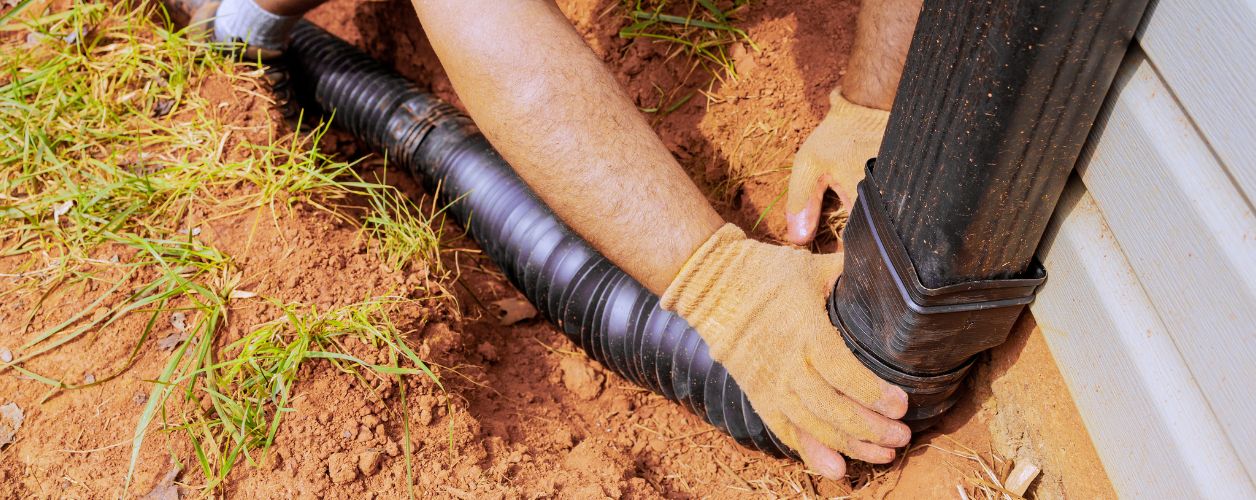
Table Of Content
- Introduction
- Usual Signs That Your Garden Has Poor Drainage
- Common Causes of Poor Garden Drainage
- Quick DIY Fixes for Better Garden Drainage
- Long-Term Garden Soil Drainage Solutions
- Planting Solutions for Better Drainage
- Preventative Maintenance Tips
- When to Call a Garden Drainage Expert
- Conclusion
For homeowners and gardeners, a soggy garden can be an annoying sight. Poor garden drainage may cause several issues and create an ideal space for mosquitoes and other pests. Reasons, like root rot, damaged plants, and muddy lawns, that may cause problems to the garden drainage system ask for improvement.
Sometimes there are easy solutions to improve the garden drainage. You can aerate your lawn or hire professionals if you are willing to inspect drainage systems. While some issues are major and they require professional improvement.
Check here the symptoms of inadequate drainage, its causes and the best remedies—from DIY fixes to more permanent drainage systems. These tips will help you enjoy a drier, healthier, and more usable outdoor space, regardless of the size of your landscape or suburban garden.
Usual Signs That Your Garden Has Poor Drainage
You may notice several usual signs in your drainage system. You can determine whether drainage is the problem before you fix the waterlogged garden. The following are typical indicators of inadequate garden drainage:
- Standing Water: Puddles that persist for hours or days following a rainfall are known as standing water.
- Moss Growth: In lawns, too much water promotes moss growth rather than grass.
- Plants Turning Yellow: Excessively moist soil suffocates plant roots, causing discolouration.
- Soggy Soil: Soil that feels wet for extended periods or squelches underfoot.
- Bad Odours: Unpleasant odours can be produced by stagnant water.
- Foundation Problems: In severe situations, inadequate garden drainage can even result in damp issues with adjacent walls.
If you notice any symptoms from these, you should take quick action. Drainage issues are easier and less expensive to fix in waterlogged gardens when you address them earlier. So, you can go for it.
Common Causes of Poor Garden Drainage
- Soil that contains a lot of clay: Clay holds onto water, making it harder for rain to escape.
- Compacted soil: Soil that has been compressed by machinery or foot traffic absorbs less water.
- Low-lying areas: Water naturally collects in gardens that slope to one side.
- Clogged gutters or drains: Water can collect around your garden due to overflowing gutters.
- High water table: Groundwater levels are inherently near the surface in some places.
- Bad garden design: Natural water runoff is impeded by flat lawns devoid of slopes or channels.
You can easily identify the above drainage issues when you decide how to improve garden drainage. With the proper information on causes, you can solve the drainage problem.
Quick DIY Fixes for Better Garden Drainage
A few easy garden soil drainage solutions might be sufficient if your drainage issues are minor:
- The lawn should be aerated: To facilitate water penetration and drainage, make tiny holes in the soil with a garden fork or aerator.
- Add organic matter: Adding grit, sand, or compost to soil enhances its structure and facilitates water flow.
- Install gravel beds: A quick drainage solution for small wet areas is to dig a shallow pit and fill it with gravel.
- Make raised beds: Planting in raised beds keeps roots above soggy ground if your soil type retains too much water.
- Use bark mulch: Avoid surface compaction and help absorb excess moisture.
- Relevel your lawn: Adding topsoil to low areas prevents puddles from accumulating in depressions.
These techniques are reasonably priced and appropriate for mild drainage problems or smaller gardens.
Long-Term Garden Soil Drainage Solutions
More long-term fixes might be required for larger gardens or persistent waterlogging:
French Drains
A French drain diverts extra water away from the garden by using a perforated pipe and a gravel trench.
Best for: Large areas with heavy water retention.
Cost: $500–$1,500 depending on garden size.
Benefit: Long-lasting and effective in preventing standing water.
Soakaways
A soakaway is a sizable pit that is filled with debris or a system of soakaway crates that permits water to gradually seep back into the earth.
Best for: Gardens with clay soil or frequent puddles.
Cost: $700–$1,200.
Benefit: Discreet and eco-friendly way to manage rainwater.
Land Drains
To collect and reroute water, a network of subterranean pipes is installed throughout the garden.
Best for: Large lawns or sports fields.
Cost: $1,500–$3,000 depending on size.
Benefit: Provides consistent drainage for years.
Drainage Channels
Water can be diverted by installing grates or open channels around patios, driveways, and garden edges.
Best for: Hard surfaces prone to flooding.
Cost: $200–$800.
Benefit: Prevents flooding around paved areas and foundations.
Rain Gardens
A landscaped space with water-tolerant plants intended to absorb excess rainfall is called a rain garden.
Best for: Eco-friendly homeowners who enjoy gardening.
Cost: $200–$1,000 depending on design.
Benefit: Aesthetic and environmentally sustainable.
Planting Solutions for Better Drainage
Drainage can be naturally improved by selecting the appropriate plants:
- Deep-rooted plants such as willows, dogwoods, and ornamental grasses help absorb water.
- Irises and marsh marigolds are examples of bog plants that grow well in damp environments and can adorn damp spaces.
- Groundcover plants have two advantages, they increase soil stability and decrease surface water.
In addition to helping with drainage, thoughtful planting in trouble spots turns soggy patches into eye-catching garden accents.
Preventative Maintenance Tips
Following new drainage installation, routine maintenance is essential for your drainage system.
- You should clean downspouts and gutters at least twice a year.
- You can check for obstructions in drains, particularly following storms.
- Every spring and fall, you should aerate your lawn.
- To lessen compaction, you can avoid walking on wet soil.
- Adding organic matter once a year is the best option to enhance soil structure.
- You can also examine low spots and adjust the level as necessary.
You can try these garden soil drainage solutions to avoid minor issues becoming costly repairs.
When to Call a Garden Drainage Expert
Larger drainage problems might need expert assistance, but DIY fixes work well for smaller ones. It is best to seek advice from a landscaper or drainage specialist if your garden experiences frequent flooding, has waterlogged foundations, or you suspect a high water table. With the proper information and knowledge, experts can help you. They can give you long-lasting issues. This ensures a long-term solution, but the initial cost is higher.
Conclusion
If you want to maintain a healthy lifestyle and a useful outdoor space, you should improve the garden drainage system. The best course of action depends on the particular requirements of your garden. You may invest in long-term fixes like French drains and soakaways or go with quick DIY options like aeration and raised beds.
You can avoid waterlogging and fix waterlogged gardens by taking care of your garden. Before you do anything, you should identify the causes and integrate drainage systems, planting, and soil enhancement.
In addition to being more useful, a well-drained garden is also more attractive and valuable. A soggy lawn can be turned into a lush landscape that flourishes in any weather with the correct techniques.
YOU MIGHT ALSO BE INTERESTED IN
Capital Cities
- Gardeners Services in Whangarei
- Gardeners Services in Auckland Central
- Gardeners Services in Hamilton
- Gardeners Services in Whakatane
- Gardeners Services in Gisborne
- Gardeners Services in Napier Terrace
- Gardeners Services in Stratford
- Gardeners Services in Palmerston North
- Gardeners Services in Wellington Central
- Gardeners Services in Richmond
- Gardeners Services in Nelson East
- Gardeners Services in Blenheim Central
- Gardeners Services in Greymouth
- Gardeners Services in Christchurch
- Gardeners Services in Dunedin Central
- Gardeners Services in Invercargill
- Gardeners Services in Waitangi