
How to Remove Mould From Curtains Without Washing
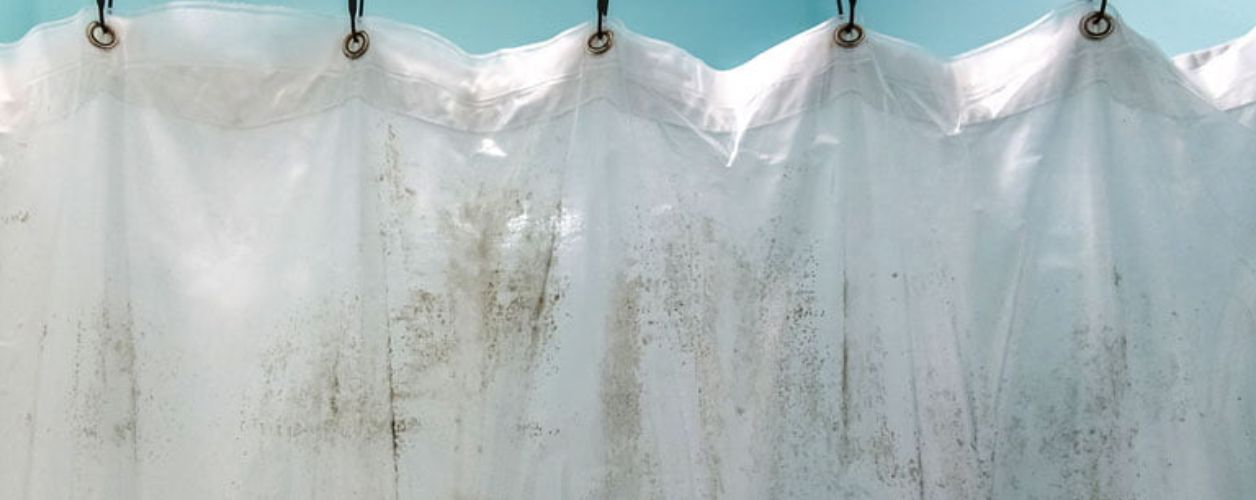
Table Of Contents
- Introduction
- Why Are Curtains Prone to Mould?
- Health Risks of Mould on Curtains
- Preparing to Remove Mould Without Washing Curtains
- How to Remove Mould From Curtains Without Washing
- Preventing Mould From Returning
- Natural vs. Chemical Cleaners: Which Is Better?
- When To Hire a Professional?
- Seasonal Mould Challenges in New Zealand
- Conclusion
Curtain mould is not only unattractive. It is very common in most homes in New Zealand, where the humid local weather and cold winter promote condensation to occur. The problem with this is that not every curtain is just put in the washing machine to clean, specifically heavy drapes, thermal-lined curtains, or light fabrics that might shrink or could be deformed.
Fortunately, you still can get effective removal of mould without subjecting your curtains to a wash cycle. This guide is going to teach you safe, convenient and fabric-friendly methods of eliminating mould, ensuring it does not come back and further means of maintaining fresh-looking curtains.
Why Are Curtains Prone to Mould?
Curtains provide insulation to the inside hot air and the cold windows. This can cause humidity on the glass through condensation in the winter months, where moisture is likely to spur the growth of mould. Causes of mould on the curtains are:
- Single-glazed windows condensation
- Poor air circulation in enclosed rooms
- Shower or cooking activities, or drying clothes indoors, had a high indoor humidity
- Lack of sunshine in the winter seasons
- Being near a wet wall or a broken window
Learning the reasons why mould occurs will ensure that you not only treat the symptoms but also treat the cause.
Health Risks of Mould on Curtains
Not only does mould look unsightly, but it can also be quite a health hazard, particularly to children, the elderly and the respiratory compromised. Coming in contact with mould spores over an expansive duration of time may result in:
- Cough and wheezes
- Nasal congestion
- Eye irritation
- Skin rashes
- Asthma flare-ups
It is vital, therefore, to ensure the timely removal of mould leading to a healthy indoor environment.
Preparing to Remove Mould Without Washing Curtains
Equip yourself with the appropriate tools, but most importantly, safety measures, before doing it, so that you do not inhale the spores or spread the spores by:
Essential Supplies
- Upholstery brush or soft-bristled brush
- A brush attachment vacuum cleaner
- Spray bottle
- Microfibre cloths
- Rubbing alcohol or white vinegar
- Mild washing liquid
- Optional baking soda
- Protective gloves
- Face mask
Safety Steps
- Protect yourself by wearing gloves and a mask so that you do not come in direct contact with mould spores.
- Use a well-ventilated area- keep the windows open or work outside where a skill level allows.
- Do not briskly scrub, but rip/tear the fabric or force mould deeper into fibres.
How to Remove Mould From Curtains Without Washing
1. Take Curtains Down (If Possible)
Although curtains do not have to be taken down in order to get rid of mould, having them down will enable you to address the affected sections in an easy way. Lay them out flat on a clean, dry surface outside because spores could then spread indoors.
2. Dry Brush Loose Mould
Wipe off loose mould with the help of a soft-bristle brush. Brush always in the same direction, that is, to prevent smearing spores across the cloth. Where there is work done inside, vacuuming should be done in between brushing to remove the scattered particles.
3. Vacuum the Curtains
A HEPA filter vacuum would be best to trap mould spores. Put a soft head brush and smooth it through the curtain surface, with special focus on seams and folds.
4. Spot-Treat Mould Patches
To deal with entrenched mould patches, one of the following fabric-proof solutions could be applied:
Vinegar Spray
- Take a spray bottle, add white vinegar and water in equal amounts.
- Spray the affected region lightly and leave it to rest on the region between 10 and 15 minutes.
- Clean with a microfibre cloth, dabbed with a new cloth to raise the mould.
Rubbing Alcohol Technique
- In a mix, add one part water and one part rubbing alcohol.
- Very carefully apply the solution (with a clean cloth) directly on the mould.
- Also, do not soak the fabric to avoid water stains.
Baking Soda Paste:
- Place baking soda in a paste with a little bit of water.
- Rub it on the mouldy part.
- Wait 10 minutes and brush off and vacuum.
5. Sun-Dry the Curtains
The natural mould killer is sunlight. Once the fabric has been cured, hang the curtains outdoors in direct sunshine and allow the sunshine to shine on them for several hours. This contributes to eradicating the remaining spores, and it eliminates prevailing odours.
Treating Delicate or Thermal-Lined Curtains
Energy-efficient Thermal-lined curtains are especially vulnerable in New Zealand, but such curtains can be difficult to clean without ruining the backing. For these:
- Avoid soaking; water may cause the lining to come off the fabric.
- Sprinkle only a little vinegar.
- Whenever you want to clean anything, first test it on a place that is not easily noticeable.
- Concentrate on clearing surface mould, and that should be complete with vigorous drying.
Preventing Mould From Returning
Getting rid of mould is not the end of it all; the task is to prevent the recurrence of such a situation, to have fresher curtains.
Minimise the indoor humidity
- Get a dehumidifier in the winter.
- Bathroom air vents and kitchens, when in use.
- Try not to dry clothes indoors.
Improve Airflow
- During the day, when nobody is in the room, open the window and door to improve airflfow.
- Rotate air by the use of ceiling or portable fans.
Control Condensation
- Clean window frames both mornings in the colder months.
- Think about adding twins or thermo window films.
Curtain Care
- Curtains should be vacuumed once a month to clean up dust and spores.
- Treat small areas of mould with a spot cleaner immediately you see them.
Common Mistakes to Avoid
- Over-wetting the material: This may increase mould growth and failure to dry it.
- Application of bleach to coloured fabrics: Bleach will disintegrate fibres and fade.
- Rough scrubbing: This will wear clothing and force spores into rooms.
- Missing the cause: Mould will happen again unless humidity and condensation are dealt with.
Natural vs. Chemical Cleaners: Which Is Better?
Commercial mould removers can be bought, but these may be too rough on some fabric curtain materials and emit stinky fumes. Vinegar and baking soda are more natural and thus safer for most fabrics and breathable air. Nevertheless, in case of extreme infestation, the most appropriate option will be to use a professional curtain cleaning service.
When To Hire a Professional?
When your curtains exhibit significant mould damage, have a musty smell even after cleaning, or the mould grows back very quickly, you may want to call in a professional curtain cleaning company. Several cleaning companies in New Zealand offer on-site mould removal of curtains that can even pay off to French players or unique, custom-made curtains.
Seasonal Mould Challenges in New Zealand
The highly variable weather seen in New Zealand makes mould a potential issue throughout the year; however, there are distinct times of the year in which curtain maintenance may require particular consideration.
Winter Condensation Build-Up
Hot air comes into contact with the glass that is cold in winter resulting in condensation. This moisture is trapped in the curtains, which in turn makes an ideal habitat for the mould. This may be more often the case in homes in the south, such as in Dunedin or Invercargill, where winters tend to be damper and colder.
Spring Spores and Pollen
Although spring brings about warmer weather, it also equates to a high level of pollen. Pollen grains are capable of attaching themselves to the curtain surfaces, giving mould access to additional food sources. To avoid spores accumulating in folds of fabrics, it is advisable to use gentle vacuuming that should be done during spring.
Summer Humidity
There is also humidity during the summer, especially in coastal cities Auckland or Whangarei. Worm, moist air, even without condensation, may enable mould development, particularly in poor homes with no ventilation.
Autumn Rainfall
Cooler, wetter conditions of Autumn may create trouble with drying out rooms correctly. The days get shorter and the rain falls more, therefore, creating greater susceptibility to mould inside a house that lacks sufficient air circulation.
Conclusion
Curtain mould is a common problem among houses in New Zealand due to our wet winters and humid summer along with the high level of condensation. Although gentle washing may be inappropriate with delicate, thermal-lined cloths or heavy fabrics, successful mould removal can be achieved using gentle washing procedures that are also safe to fabrics. The easiest way to clean your curtains without damaging them is by dusting off loose spores, applying natural remedies such as vinegar or baking soda on the spots and drying them in the sun.
Prevention also deserves great attention; it is worth controlling the humidity, enhancing ventilation, and taking care of the curtains regularly so that mould does not come back. With the right action and regular maintenance schedule, your curtains would remain fresh, clean and mould-free, preserving not only the comfort of your home but your family's health as well around the entire year.
YOU MIGHT ALSO BE INTERESTED IN

Capital Cities
- Curtain Services in Whangarei
- Curtain Services in Auckland Central
- Curtain Services in Hamilton
- Curtain Services in Whakatane
- Curtain Services in Gisborne
- Curtain Services in Napier Terrace
- Curtain Services in Stratford
- Curtain Services in Palmerston North
- Curtain Services in Wellington Central
- Curtain Services in Richmond
- Curtain Services in Nelson East
- Curtain Services in Blenheim Central
- Curtain Services in Greymouth
- Curtain Services in Christchurch
- Curtain Services in Dunedin Central
- Curtain Services in Invercargill
- Curtain Services in Waitangi