
How to Repair a Leaking Roof
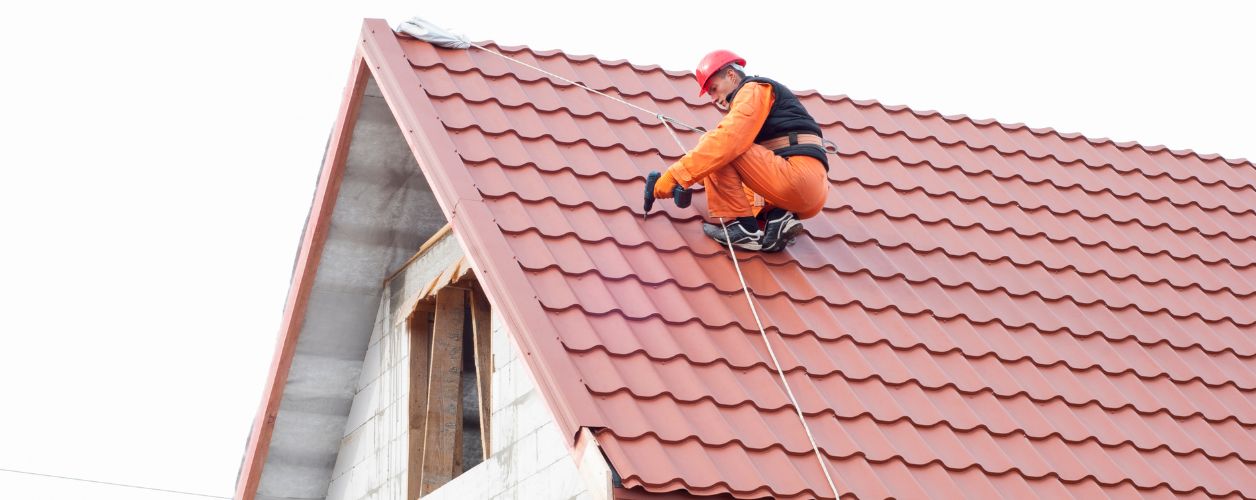
Table Of Content
- Introduction
- Signs Of Roof Leaks
- Roof Leak Repairs: Safety First
- How To Fix A Leaking Roof: Simple Solutions
- Temporary Roof Leak Repairs: How To Fix A Leaking Roof
- What Products To Use For Roof Leakage Fix?
- When To Call A Professional Roofer?
- Choosing The Correct Roofing Contractors
- Preventive Maintenance Tips
- Last Note
How to Repair a Leaking Roof: Simple Fixes and When to Call a Pro
The roof is an important part of our home. We get disturbed if something
happens to it. Roof leaks are a common headache for many homeowners in
New Zealand, especially during the rainy winter months. Accurate roof
leak repairs can avoid water damage, mold growth,
and structural issues. Repairs can be done either by
DIY roof repairs or with the help of
roofing contractors.
Roof leaks occur due to missing or damaged shingles, clogged gutters,
cracked flashing, or an aging roof. These problems can worsen with bad
weather, like heavy rain and strong winds. Regular roof inspections
and timely maintenance are preventive measures that can identify and
address issues before a real problem sets in at a high cost to the
homeowners.
A small leakage can grow into large cracks. This blog can help if you
are also looking for simple leaking roof fixes or an idea when to call
a pro. Let us read all the details to help you maintain a leakage-free
roof.
Signs Of Roof Leaks
Water Stains on Walls or Ceilings: Stained areas or
discoloration on walls and ceilings, usually brown or yellow, surely
suggest a roof leak. The stains can spread to cover bigger patches,
the proof of continuous water intrusion.
Water Dripping in the Attic or Dampness: Water
dripping from the ceiling or wet blankets, insulation, and wood
within the attic are unmistakable signs of a roof leak. In any case,
dampness within the attic may result in structural damage.
Missing or Damaged Shingles: The curled, cracked, or
simply missing shingles are gaps in the water barriers. Roof
inspection for such damages, soon after storms or high winds, is
critical in leak prevention.
Molds or Mildew Growth: Molds and mildew are
encouraged by ongoing moisture due to leaks. A concealed roof leak
can be detected by a moldy smell or green, black, or white spots on
walls or ceilings.
Roof Deck Sagging: Sagging areas on the roof deck,
certainly noticeable from the attic, are typically the water-damaged
sections. Such areas compromise the integrity of the roof structure
and need to be addressed immediately as emergency roof repair.
Granules in Gutters: Asphalt shingles also lose
granules when they are weakening. Hence, an excess of granules
appearing in the gutters indicates the weakening of the shingles and
leakage tendency.
Daylight Through the Roof Boards: Where daylight
seeps through the attic board, water can seep in through such
locations. This indicates very severe damage; in a heavy downpour,
probable leakage is sure to occur.
Peeling Paint or Wallpaper: Moisture resulting from
a roof leak may cause paint or wallpaper inside to bubble, peel, or
blister. Usually, this is one of the visible indications of moisture
behind walls or ceilings.
Roof Leak Repairs: Safety First
Safety should always come first during
roof leak repairs. Here are important precautions as
well as indicators that point to it being unsafe to do repairs:
Precautions Before Roof Leak Repair Work:
Wear Proper Gear: Safety requires gloves, a hard
hat, and non-skid footwear.
Use a Safety Harness: A safety harness should
always be worn, and the harness must be securely tied to a stable
anchor point.
Check Weather Conditions: These conditions need to
be avoided: rain, wind, or extreme heat. Wet or icy surfaces are
especially dangerous.
Inspect the Ladder: Check its positioning, whether
on a leveled or sturdy ground, as well as its height to determine if
it is reachable and safe to the roof.
Establish Safety Zones: Mark areas that lack
hazards.
Work with a Partner: Never, for any reason, inspect
or repair operating roofs when alone.
When DIY is Unsafe
DIY roof repairs are unsafe during:
Steep or High Roofs: Walkable sloped roofs or
Multi-Storey buildings should be handled by professionals.
Structural Damage: Sagged structures would lead to
potential collapse under weight.
Electrical Hazards: Exposed electrical wires or
power lines must be attended to by professionals.
Lack of Experience: An absence of essential tools
and training poses fatal blunders.
When in doubt, consult a licensed roofing contractor
immediately; safety almost always outrides speedy resolutions.
How To Fix A Leaking Roof: Simple Solutions
Some of the DIY roof repairs to fix a leaking roof are:
Replacing a Broken Shingle
Where do we start? You will want to gently lift the other
shingles using a flat pry bar.
Next, remove the nails (if any) that are for that particular
shingle. Slide the damaged shingle out through the other
shingles.
Slide the new shingle into place so that it matches the other
shingles.
- Take roofing nails and nail them down. Use roofing cement on top of the nail heads.
- Press down on the overgapped shingles to seal.
Sealing small cracks or holes
Make sure to clean the area well so that dirt and debris do not
cause an extra layer.
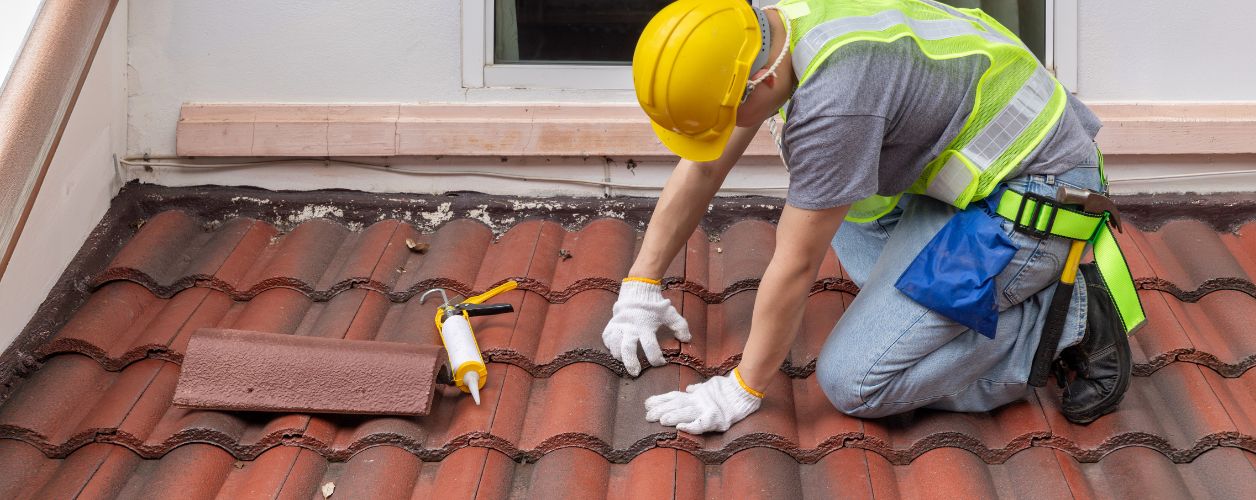
Be sure to use roofing sealant or caulk (weatherproof) that is
right for the material of your roof and its outdoor conditions.
Using a caulk gun or putty knife, apply the sealant on or over
any cracks and/or holes. Measure more than you think you'll
need.
Apply, smooth, and allow it to fully dry (follow the product
guide).
Repairing Flashing For Chimneys and Vents
- Get up there and check flashing for rust, pulls, or cracks.
If the flashing is too damaged to repair, pry it up.
After placing the new flashing, apply roofing cement beneath its
edges.
Evenly press the flashing into place around the base of the
chimney or vent.
Make sure that you apply roofing cement on every edge to prevent
water entry.
How To Clean or Unclog Your Gutters
Make certain you have a safe ladder to access your gutters.
Remove any leaves, twigs, or debris by hand or a small scoop.
Run a hose through the gutters and even the downspouts to make
sure all parts flow freely.
Check for sagging or leaks and properly strap up any loose
standing pieces.
Make sure to service your gutters by cleaning them at least
twice a year to avoid any overflowing or leaking onto your roof.
Implementing these few fixes will help maintain your roof, save money,
and extend its lifespan.
Temporary Roof Leak Repairs: How To Fix A Leaking Roof
Use of Tarps:
One of the fastest temporary fixes is a waterproof, heavy-duty tarp.
Nail or weigh down the tarp over the leak area to keep water from
coming in.
Pull the tarp out over the leak so that it covers the area
completely and protects it from runoff.
Roof Tape:
Small holes or cracks can be fixed with specialized roof repair
tape.
It offers a fast seal even on damp surfaces, although results will
depend on conditions.
- Perfect for small leaks on flat or mildly pitched roofs.
Emergency Sealants:
Roof sealants or patching products come in aerosol or paste form for
emergency roof repairs.
A few can be used when wet and offer a quick waterproof shield.
- Good for sealing flashing, vents, or around skylights.
Plastic Sheeting:
When no tarp is available, heavy plastic sheeting can do the job.
Fasten it securely and slope it to run water away from the building
structure.
Gutter and Drainage Check:
- Clear gutters to avoid overflow that could exacerbate leaks.
Divert downspouts away from the foundation to reduce water damage
inside.
These repairs are temporary and should be followed by permanent
repairs as soon as weather allows.
What Products To Use For Roof Leakage Fix?
Here are some of the most effective and commonly used products to fix
roof leakage, suitable for both temporary and long-term solutions:
1. Roof Sealant (Liquid Rubber or Acrylic-Based)
- Best for: Sealing cracks, small holes, or flashing leaks.
Popular Products:
- Liquid Rubber Waterproof Sealant
- Silicone Roof Coating
- Acrylic Roof Paint
- Liquid Rubber Waterproof Sealant
Why use it? Easy to apply with a brush or roller;
forms a watertight, UV-resistant barrier.
2. Roofing Tape (Butyl or Bitumen-Based)
Best for: Quick patching of small leaks, especially
around joints, vents, or skylights.
Popular Products:
- Flex Tape
- Bitumen Repair Tape
- Flex Tape
Why use it? Self-adhesive, durable, and works well
even in wet conditions.
3. Roof Repair Cement (Plastic Roof Cement)
Best for: Filling gaps around flashing, vents, and
roof valleys.
Popular Products:
- Black Jack Roof Cement
- Henry Wet Patch Roof Cement
- Black Jack Roof Cement
Why use it? Thick and sticky for heavy-duty
repairs; works on wet or dry surfaces.
4. Waterproofing Membranes (Sheet or Liquid Form)
Best for: Long-term leak prevention under shingles
or tiles.
Popular Products:
- Bituminous Waterproofing Membrane
- EPDM Rubber Membrane
- Bituminous Waterproofing Membrane
Why use it? Excellent for large-scale waterproofing
projects or ongoing leak issues.
5. Roofing Silicone Caulk
Best for: Small cracks or seams, particularly around
chimneys and flashings.
Popular Products:
- GE Silicone II Roof Sealant
- Selleys Roof & Gutter Silicone
- GE Silicone II Roof Sealant
Why use it? Flexible and durable, handles expansion
and contraction well.
When To Call A Professional Roofer?
Your roof leaks force you to call a professional
roofing contractor in the following situations:
Persistent or Widespread Leaks:
Recurring or pervasive leaking in your roof is likely evidence of a
deeper issue that cannot be fixed by
DIY roof repairs. A professional is able to
properly assess and repair the cause.
Structural Damage or Sagging Roof:
Visible sagging, rotting, or damaged structural members are serious
safety hazards. Roofing contractors have the
tools and training to inspect and repair such severe damage
safely.
Leaks Around Complex Rooflines or Skylights
Skylights, chimneys, and fancy rooflines require diligent flashing
and sealing. Misrepair will accentuate leaks, so it is always best
to have a professional fix them.
Roofs with Multiple Layers or Odd Materials
Older homes often have layers of roofing, and some roofs have
materials like slate, tile, or metal that require being handled
delicately. Specialists are trained to handle these complications
without causing damage.
Insurance and Warranty Problems:
DIY work can void roof warranties or complicate work on insurance
claims. Certified roofers ensure the work is done up to the
manufacturer's and insurance standards.
Safety Hazards:
Climbing up steep or tall roofs with poor equipment is dangerous.
Roofing professionals undergo safety education and possess the
equipment for safe work.
Hiring a professional guarantees quality, durability, and peace of
mind.
Choosing The Correct Roofing Contractors
The following steps help you in choosing the right
roofing contractors.
Licenses and Certifications
Make sure the contractor is properly licensed at both the state and
local levels.
Manufacturer certifications (e.g., GAF, CertainTeed) mean
credibility and training.
Insurance Coverage
Make sure the contractor carries both liability insurance and
workers' compensation.
Ask to see the proof of insurance to prevent possible liabilities.
Experience and Track Record
Contractors with some years of experience and a portfolio of
finished jobs are a good sign.
Specific experience with your type of roof (shingle, metal, flat,
etc.) is a bonus.
Customer Reviews and References
Check online reviews on Google, Yelp, and the Better Business
Bureau.
Request recent references and follow up to measure satisfaction and
professionalism.
Detailed Written Estimate
Make sure all project specifics, materials, costs, and deadlines are
spelled out.
- Don't sign vague quotes or be rushed.
Warranties Offered
Inquire about workmanship and manufacturer's warranties, what's
included, and for how long?
Questions to Ask Before Hiring
- Are you licensed and insured?
- Can you give me local references?
- What's the projected schedule and payment timeline?
- Who's going to oversee the work?
- What if there's a weather delay or unforeseen damage?
Preventive Maintenance Tips
Keep Your Roof in Check: Get into the habit of
performing monthly or seasonal checks throughout your roof. That way,
you can catch little problems before they become major headaches. Watch
for signs of wear and tear, water damage, pest infestations, and any
structural weakening in your roof.
Clean Out Gutters and Downspouts: Don't forget to
clean your gutters and downspouts regularly of leaves, branches, and
other debris, particularly in the fall and spring. This will prevent
clogs that can cause roof leakage and gutter problems.
Check Seals and Flashing: Spare a minute to inspect
the seals as well as flashing on the roof. Ensure that all of them are
intact and watertight. If you discover worn-out or damaged spots, they
may result in leaks.
Keep Your Landscaping: Cut back overgrown bushes and
trees that are too close to your roof and siding. This prevents
moisture accumulation and shields your roof from storm or wind damage.
Inspect for Leaks: Check regularly for drips or water
damage signs. Catching even small leaks early can spare you costly
repairs later on.
Taking care of these upkeep responsibilities not only saves you money
but also helps your home last longer.
Last Note
A DIY fix is usually adequate for small leaks. Nevertheless, larger
cracks or skylight gap leaks demand the expertise of a professional.
Acting swiftly will stop additional damage, conserve funds, and
preserve your roof. Do not let a small problem become an expensive
disaster. Recognize your limits, remain safe, and hire a professional
roofer when the situation calls for it to provide long-lasting
solutions and peace of mind.
YOU MIGHT ALSO BE INTERESTED IN
Capital Cities
- Roofers Services in Whangarei
- Roofers Services in Auckland Central
- Roofers Services in Hamilton
- Roofers Services in Whakatane
- Roofers Services in Gisborne
- Roofers Services in Napier Terrace
- Roofers Services in Stratford
- Roofers Services in Palmerston North
- Roofers Services in Wellington Central
- Roofers Services in Richmond
- Roofers Services in Nelson East
- Roofers Services in Blenheim Central
- Roofers Services in Greymouth
- Roofers Services in Christchurch
- Roofers Services in Dunedin Central
- Roofers Services in Invercargill
- Roofers Services in Waitangi