
How to Repair a Leaning Fence
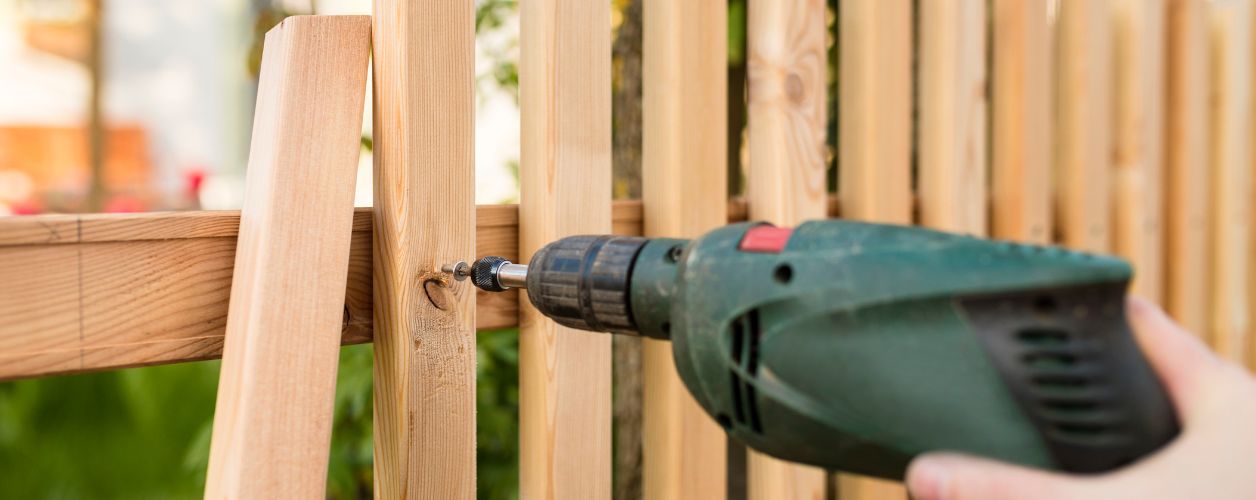
Table Of Contents
- Introduction
- Understanding Why Fences Lean
- Assessing the Severity of the Leaning Fence
- Tools and Materials You May Need
- How to Repair a Leaning Fence
- Repairing Different Types of Fences
- Preventing Future Fence Leaning
- When to Call a Fence Builder In Your Area?
- Conclusion
How to Repair a Leaning Fence?
Leaning fences are the most typical issue that a homeowner can encounter, particularly in regions that are vulnerable to strong winds, backfilled ground, or heavy rains. One may think that first, a slanting fence is just a minor issue that does not have to be fixed immediately, but when left alone, it may result in structural damage, cause safety hazards, and even collapse altogether within a short time. A leaning fence does not just fix the integrity of your boundary, but also enhances the kerbside of your home and ensures the privacy of your premises.
Check this blog to go through why fences begin to lean, the various ways you can go about repairing a wooden fence, a metal fence, a vinyl fence, how to go about doing it in detail, the equipment and materials you would need, and some prevention hints as well as the time when you should hire a local fencing contractor.
Understanding Why Fences Lean
The fence can lean due to many reasons. If you know the problem, it could be corrected easily. Diagnosing the underlying reason will mean your correction is lasting and repeated occurrence is avoided.
Common Causes of a Leaning Fence
Weak or Rotten Fence Posts
The spine of any fence is the fence posts. Once rotten, cracked or broken, the whole structure begins to lean. Wooden posts tend to rot, especially when not treated against moisture.
Shifting Soil or Erosion
You might have great soil movement due to heavy rainstorms, flooding, or natural settling of the ground over time, which can cause weakness in the ground that holds your posts in place. Unstable soil gives weak support, and the fencing bends under pressure.
Strong Winds and Storm Damage
Fences bear a lot of pressure in environments with strong winds or storms. This force makes the posts slowly tip or tip over immediately without being well-secured and deep-set.
Heavy Loads Against the Fence
Extra weight can be caused by climbing plants, piled-up garden waste, or even soil against the fence, and it leans with time.
Poor Initial Installation
Failure to dig the posts properly in case they end up being shallow, failure to use concrete, or to ensure that the fence was level at the time of installation, is likely to exhibit a leaning problem earlier than anticipated.
Assessing the Severity of the Leaning Fence
You must decide on whether the fence needs fixing, replacing the entire posts, or even a rebuild before plunging into repairs.
Checking Fence Alignment
Stand a few metres away and look down the fence line. When one or two of the posts lean and the others are straight, post repairs could be sufficient. However, when the root cause is the whole line of the fence that is damaged, then the suspect can be the foundation or soil.
Testing Fence Posts
Nudge the leaning part to make sure that the post wiggles. When this is the case, problems that he/she is about to stick the post in are probably rotten or too loose to maintain it.
Considering Fence Age
On the other hand, fences could be cost-effective to replace as opposed to repairing time after time, when it is old and there are multiple sections with signs of wear and tear.
Tools and Materials You May Need
The presence of necessary tools will simplify the process of repairing and make it more effective.
- Shovel or post hole digger
- Level
- Hammer or mallet
- Concrete mix or quick-set cement
- Drainage gravel
- Stakes and string line
- Screw and drill
- Replacement fence posts or panels (if necessary)
- Gloves and safety glasses
How to Repair a Leaning Fence
Basic Leaning Fence Solution
Clear the Area Around the Fence
Clear away plants, soil or debris lying against the part of the fence that falls in the direction of lean. This will keep anything out of the way and enable you to have free access to the fence post.
Straighten the Fence Temporarily
To secure the fence back to its place upright, use stakes and some strong rope or a temporary support to pull the fence back to its position. This helps in the evaluation of whether the repair of the post is salvageable or it should be replaced.
Inspect the Fence Post
In case only the post is loose in the ground, albeit still solid, reinforcement will be sufficient. However, in case the post is broken, rotten, or torn, it will have to be replaced.
Reinforcing an Existing Fence Post
In case the post does not present structural issues, it can stabilise the fence by reinforcing the post.
Digging Around the Post
Dig with a shovel down to the foundation of the leaning post. Dig around the bottom a minimum of 30-60 cm to establish room to reinforce.
Adding Gravel for Drainage
Put a couple of inches of gravel in the hole bottom to assist with drainage and discourage future rot.
Securing with Concrete
Blend concrete in and pour it under the sides of the post, and ensure it finds its way to the right distribution on all sides. Ensure it is straight by the use of a level that assists in maintaining the post erect as the concrete dries.
Bracing While It Dries
To ensure that the post remains straight once the concrete has cured (the process usually takes 24-48 hours), use wooden braces (to support the post on both sides) or wooden stakes (which should be driven into the ground around the post).
Replacing a Damaged Fence Post
There are occasions when the only sure way you can correct a leaning fence is to start fresh with a new post.
Removing the Old Post
Unfix the panels or rails that run on the post. Excavate around the bottom and the bottom of the old post. It might be embedded in concrete; thus, you may need to crack and cut the outdated concrete footing.
Preparing the New Post Hole
To post, dig a hole of half as long (typically 100 cm for fences up to 1.5 m, depths up to 90 cm) as the post. Put a substrate of gravel drainage.
New Post installation
Insert the new post in the hole, ensuring that it is level. Place concrete around and make it harden with proper bracing.
Reattaching Fence Panels
When the post is set, place the fence panel or rails back on, then screw or nail the panel or the rails back together.
Using a Fence Repair Bracket
Metal repair brackets may be used in minor repairs when the post is leaning without being loose.
Installing the Bracket
Beat the bracket into the ground by the leaning post and screw the post onto the bracket.
Repairing Different Types of Fences
Wooden Fences
Fences made out of wood are the most likely to rot and damage the soil. Weak posts should be replaced, and the inspection made regularly.
Vinyl Fences
Vinyl posts are also rot-resistant and may lean unless kept deep enough. The solution to them is to reinforce them using concrete.
Metal Fences
Metal posts are long-lasting, although they tend to corrode at the bottom. Provided that rust is the problem, then a change of post or extension of the concrete foot is possible.
Preventing Future Fence Leaning
Regular Inspections
Inspect your fence at least a few times a year to check for early indicators of leaning fences or loose posts.
Keep Soil Away from Posts
Do not stack soil, mulch or garden debris peering towards the fence, since it retains moisture and speeds up degradation.
Install Proper Drainage
Well-drained areas around fence posts are useful in avoiding fence post rot and soil erosion.
Trim Heavy Climbing Plants
Climbers and vines may be nice to look at, but they also bring with them additional weight, which can cause the fence to fall or lean over time.
When to Call a Fence Builder In Your Area?
Whereas the minor leaning problems can be fixed with DIY repairs, professional assistance is highly advisable when:
- There are several posts inclining
- The fence line demonstrates high amounts of structural weakness
- You lack the equipment and time to do the job safely
A fencing contractor with a license can evaluate the situation and offer a lasting solution.
Conclusion
Not every homeowner might think that it is a challenging task to fix a leaning fence; however, when you have the necessary tools, preparation, and approach, this undertaking can be easy to do. Be it whether you want to strengthen a current post or need a replacement due to damage, or use repair brackets as quick fixes or permanent solutions, the sooner you solve it, the less you will have to invest in it later.
Maintenance with good drainage and installing the fence properly are the key words in ensuring that your fence remains standing in the years to come. And in case you cannot do it alone because of the extent of the damage, please, do not wait to bring in a professional fencing contractor. A strong and straight fence will serve the purpose better.
YOU MIGHT ALSO BE INTERESTED IN
Capital Cities
- Fencing Contractors Services in Whangarei
- Fencing Contractors Services in Auckland Central
- Fencing Contractors Services in Hamilton
- Fencing Contractors Services in Whakatane
- Fencing Contractors Services in Gisborne
- Fencing Contractors Services in Napier Terrace
- Fencing Contractors Services in Stratford
- Fencing Contractors Services in Palmerston North
- Fencing Contractors Services in Wellington Central
- Fencing Contractors Services in Richmond
- Fencing Contractors Services in Nelson East
- Fencing Contractors Services in Blenheim Central
- Fencing Contractors Services in Greymouth
- Fencing Contractors Services in Christchurch
- Fencing Contractors Services in Dunedin Central
- Fencing Contractors Services in Invercargill
- Fencing Contractors Services in Waitangi