
Why Do Glass Surfaces Look Streaky?
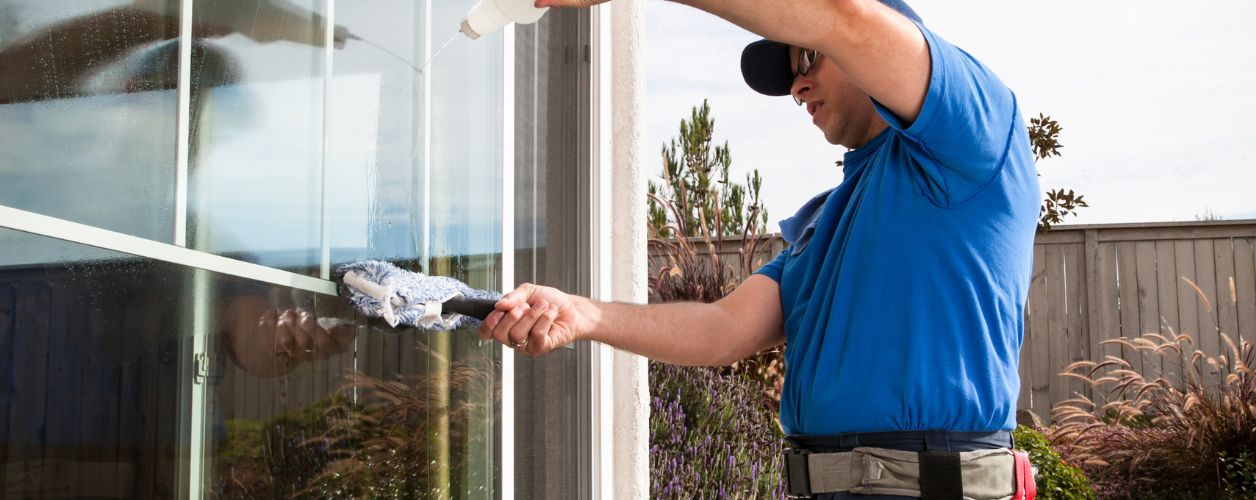
Table Of Content
- Introduction
- Top Reasons Why Streaks Show on Glass Surfaces
- More Reasons Why Streaks Show on Glass Surfaces
- The Best Tools for Streak-Free Glass Surface Cleanings
- Homemade Glass Surface Cleaners For Streak-Free Results
- Tips for Streak-Free Glass Surface Cleaning
- Why Clean Curtains and Blinds With Glass Cleaning?
- Conclusion
You spend the morning tidying your windows. You clean inside and outside until they appear clear. Then the sun climbs higher, and you notice streaks everywhere. It's frustrating. Professional cleaning in New Zealand typically ranges from $6 to $12 per window, so a DIY approach can help you save money. But streaks can spoil the effort. Why do streaks form, and how can you get crystal clear, streak-free glass every time? Check here for details on streak-free glass cleaning.
Top Reasons Why Streaks Show on Glass Surfaces
Streaks form due to the use of improper cleaners, tools, or techniques. Sometimes, it's a combination of all three. You can avoid them if you know why they happen.
Using the Wrong Cleaning Solution
Other cleaners contain too much soap or too harsh chemicals. These deposit a thin film on the glass. The film attracts dust and dirt, even as you wash it. Ammonia-based cleaners are the worst of all. They tend to cause streaks and a cloudy appearance.
If you buy cleaners at the store, read the packaging. Don't use ammonia. You can create a cleaner yourself. Combine water with vinegar, together with some drops of dishwashing liquid. This is effective and gentle.
Using the Wrong Cleaning Materials
Paper towels look easy, but they create lint and streaks. So do cotton rags.
Microfiber cloths are your best option. They can carry four times more water than cotton and pick up dirt rather than spreading it around.
If you prefer to use a squeegee, inspect the rubber blade. If the blade is nicked, curled, or stiff, it will produce streaks. When it wears out, replace it.
Using the Wrong Technique
The glass cleaning technique is important. Excess cleaning or drying at a late time will cause streaks. When you are cleaning windows under direct sunlight, the liquid dries up too fast. Dirty rags will not clean, but will be an extension of the dirt. The large-sized wipe used in wiping also spreads grime. Wiping in large circles also smears grime.
More Reasons Why Streaks Show on Glass Surfaces
- Hard Water Deposits: If your water supply has high mineral content (calcium, magnesium), it leaves behind spots and streaks when the water evaporates. That’s why distilled water is often recommended for DIY cleaners.
- Dirty or Contaminated Buckets/Cloths: Even the best cleaner won’t work if your bucket water is murky or your microfiber hasn’t been properly washed (fabric softener leaves residue that creates streaks).
- Over-Spraying Cleaner: More spray ≠ cleaner glass. Excess solution takes longer to wipe away and often dries mid-clean, leaving those dreaded streak lines.
- Residue From Previous Cleanings: Old wax-based polishes, oily sprays, or store-bought “shine boosters” can leave behind a film. Each new wipe just smears it around instead of removing it.
- Environmental Factors: Cleaning in high humidity → slower drying, higher chance of smears. Cleaning on windy days → dust sticks to wet glass before it dries. Pets/kids touching freshly cleaned glass → instant streak central.
The fix is to clean in the shade, use just the right amount of cleaner, and wipe in straight lines.
The Best Tools for Streak-Free Glass Surface Cleanings
Microfiber Cloths
Microfiber is number one on glass. It's lint-free and highly absorbent. The texture traps dirt until you rinse it away. Fold the clothes in quarters. When a section becomes soiled, move to a new area. Use individual cloths for glass windows to prevent scratches from grit.
Squeegee
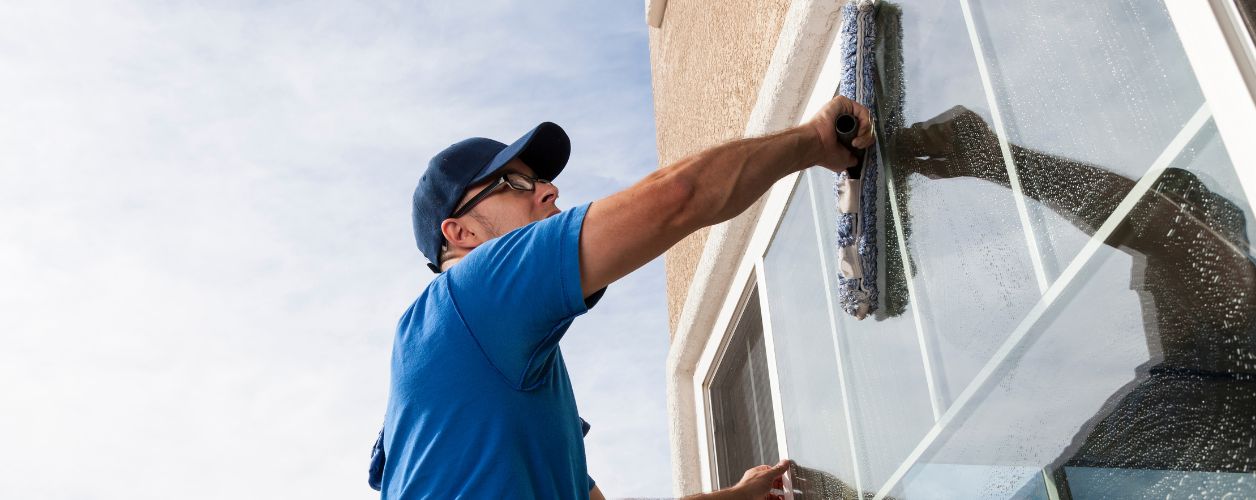
Squeegees are best for big glass windows. Begin at the top and proceed downwards in horizontal lines. Clean the rubber blade after every pass. Long-handled squeegees allow you to reach elevated areas. Change the blade every 6–12 months, depending on usage.
Homemade Glass Surface Cleaners For Streak-Free Results
Probably, you even have the ingredients at home. Homemade cleaning solutions are cheap, harmless and effective.
- Vinegar Cleaner: Pour one part distilled white vinegar with cold water into an empty spray bottle. When you dislike the smell of vinegar, you add 10 drops of essential oil. If glass surfaces are extremely dirty, include four drops of dish soap.
- Alcohol Cleaner: Mix one aspirin, one cup of isopropyl alcohol, one cup of water and one tablespoon of vinegar. This dries quickly and produces fewer streaks.
- Distilled Water: You should use distilled water in case you use hard water. White deposits left by the hard water can harm the glass. The lines etched are permanent.
- Citric Acid: Mix about two to three tablespoonfuls of the powder of citric acid per litre of water. This can make a good solution for glass surface cleaning.
- Dishwashing Liquid: Warm water and an eensy weensy squirt of non-balsam dishwashing soap can make a suitable solution for glass cleaning.
- Black Tea and Lemon: Put black tea in one strong cup of water and mix it with half a lemon juice and three litres of water. Grease and nicotine dissolve with the tea; limescale dissolves with lemon.
- Methylated Spirits: Put into five litres of warm water five or six drops of methylated spirits, and you are ready to clean glass surfaces. Wear gloves to protect your arms.
Clean glass by using a lint-free cloth, a clean microfiber cloth, or by applying a squeegee. A newspaper can also be used for a shiny finish. Steer clear of glossy paper.
Tips for Streak-Free Glass Surface Cleaning
Basic Tips
Select a Proper Time: Wash in the recesses or cloudy weather. The cleaner is affected by wind and sun evaporation too fast. Start with the shaded side of the house and go along with the shade.
Washing Sequence: Clean the window frames and sills before you wash other parts of the glass window, so dust does not fall on clean glass.
Choose Materials Wisely: Make use of clean microfiber cloths that have been washed. Do not use the clothes for other cleaning chores.
Using Cleaners Bought at the Store
Commercial glass cleaners will work if the glass is heavily soiled. Cleaning concentrates break down grease, insect spots, and pollution. They can deposit a rain-terminating film in such a way that rain slides away.
Such cleaners ought to be employed minimally. Uses in excess will leave a shiny film and streaks.
The Right Glass Cleaning Method
Professional-quality cleaning is achievable at home.
Step 1: Apply a spray cleaner or spray and then wipe using a sponge. Have enough liquid to ensure that the squeegee moves freely.
Step 2: Wipe the liquid with handheld squeegees by moving in a figure 8 or up and down. Wipe the blade with each pass.
Step 3: Polish edges with a microfiber cloth, tea towel or chamois leather and remove drips.
Cleaning Glass Window Frames
Frames also need cleaning. For loose dirt, use a dry cloth or brush. It is then cleaned with a wet cloth or sponge. For stubborn spots, use the appropriate cleaner for the frame material. Clean the sills at the same time.
Wooden Frames:
- Dust the frame gently with a soft microfiber cloth to avoid scratches.
- Mix mild dish soap with warm water and wipe using a damp cloth.
- Avoid soaking the wood—excess moisture can cause swelling or damage.
- Finish by drying with a clean cloth and applying wood polish if needed.
Plastic Frames:
- Wipe away loose dust and dirt with a damp sponge or cloth.
- Use a mild soap solution or all-purpose cleaner for deeper cleaning.
- For stubborn stains, a paste of baking soda and water works wonders.
- Rinse with clean water and dry to prevent streaks or water spots.
Cordless Window Vacs
A cordless window vacuum is very useful in cleaning glass surfaces. Spray the glass with a solution of detergent and water. Wipe with a microfiber pad. Vacuum up the liquid with the vacuum. The dirty water is stored in a tank, not on the ground.
If there are streaks left behind, check the squeegee of the vacuum. Old or dirty blades leave marks. You can reverse the blade to use the other edge or replace it.
Window vacs can be used on glass windows, mirrors, shower glass, tables, tiles, conservatories, and glass doors.
Steam Cleaners for Glass
Steam cleaners can clean glass windows without the use of chemicals.
Step 1: Steam the pane using a hand nozzle and a microfiber cloth to loosen the dirt. Use a window nozzle if there are tough marks.
Step 2: Squeegee or window vac off the water. Use a soft cloth to dry edges and frames.
Steam does not leave mineral deposits since the water is demineralised. If there are streaks, it could be residual detergent. Wipe again until clean.
Why Clean Curtains and Blinds With Glass Cleaning?
To give a complete window makeover, wash curtains and clean blinds as well. When you clean your curtains, blinds, and glass windows together, you’re removing all the hidden dust sources at once. If you only wipe the glass, dust and fabric fibres from blinds or curtains can float back and settle, leaving smudges and streaks. By tackling them as a set, you stop re-contamination, reduce static dust build-up, and give your windows a longer-lasting sparkle. The result? Crystal-clear, streak-free glass with a fresh, polished finish around the whole window area.
- Dust + fabric fibres from curtains do resettle on glass after cleaning.
- Blinds especially collect tons of dust that easily blows onto windows.
- Doing them together actually gives a longer-lasting streak-free result.
Wash curtains and dry them straight to prevent ironing. Dust blinds with a damp cloth, or take a microfiber cloth and wrap it around a silicone spatula and use it to get between slats. A steam cleaner is good for blinds and will also refresh curtains.
Conclusion
Clean, streak-free glass windows brighten the homes. Streaks, in turn, come from the wrong tools, wrong cleaners, or the wrong technique. With the right materials, the appropriate cleaning solution, and the right timing, one can achieve professional results at home.
In New Zealand, the cost to clean windows professionally ranges from $6-$12 per window, so if someone can learn this skill, they might just save easily. Using vinegar, distilled water, steam, or a cordless window vac means the result is the same – spotless, sparkling glass that will stay cleaner for longer. These methods mean that you won't have streaks and get sparkling glass surfaces every time.
YOU MIGHT ALSO BE INTERESTED IN
Capital Cities
- Cleaners Services in Whangarei
- Cleaners Services in Auckland Central
- Cleaners Services in Hamilton
- Cleaners Services in Whakatane
- Cleaners Services in Gisborne
- Cleaners Services in Napier Terrace
- Cleaners Services in Stratford
- Cleaners Services in Palmerston North
- Cleaners Services in Wellington Central
- Cleaners Services in Richmond
- Cleaners Services in Nelson East
- Cleaners Services in Blenheim Central
- Cleaners Services in Greymouth
- Cleaners Services in Christchurch
- Cleaners Services in Dunedin Central
- Cleaners Services in Invercargill
- Cleaners Services in Waitangi